Color has the power to transform not just how swimwear looks, but how we feel wearing it. As we embrace 2025, the swimwear color palette has expanded to include everything from vibrant tropical hues to sophisticated monochromes. For Japanese shoppers who appreciate both bold statement pieces and subtle elegance, this year's trends offer something for every aesthetic preference.
The Psychology of Swimwear Colors
Color choices in swimwear go beyond mere aesthetics—they influence our mood, confidence, and how we're perceived. Bright, warm colors like coral, tangerine, and sunny yellow evoke energy and optimism, perfect for those seeking to make a cheerful statement at the beach. These hues complement sun-kissed skin and photograph beautifully against blue ocean backgrounds.
Cool tones such as turquoise, mint green, and ocean blue create a sense of calm and sophistication. These colors are particularly popular among Japanese consumers who appreciate their connection to water and nature. They offer a refreshing alternative to traditional neutrals while maintaining an elegant, understated quality.
Jewel tones—emerald green, sapphire blue, and ruby red—bring richness and depth to swimwear. These colors look stunning on various skin tones and transition beautifully from day to evening beach activities. For Japanese shoppers seeking luxurious yet wearable options, jewel tones offer the perfect balance.
Dominant Color Trends for 2025
Sunset-inspired palettes are making waves this year. Think warm oranges melting into soft pinks and deep corals—colors that capture the magical moment when day transitions to evening. These hues are universally flattering and evoke romantic, vacation-ready vibes that resonate with Japanese travelers planning beach getaways.
Ocean-inspired blues continue their reign, but with new depth and variation. From pale sky blue to deep navy and everything in between, blue remains the most popular swimwear color globally. Japanese brands are exploring unique blue tones like periwinkle and slate that offer fresh takes on this classic choice.
Earthy neutrals have evolved beyond basic beige. Modern neutral swimwear includes warm sand tones, soft terracotta, sage green, and dusty rose. These colors align with sustainable fashion movements and appeal to Japanese consumers who value timeless, versatile pieces that won't look dated next season.
Bold Patterns Making a Statement
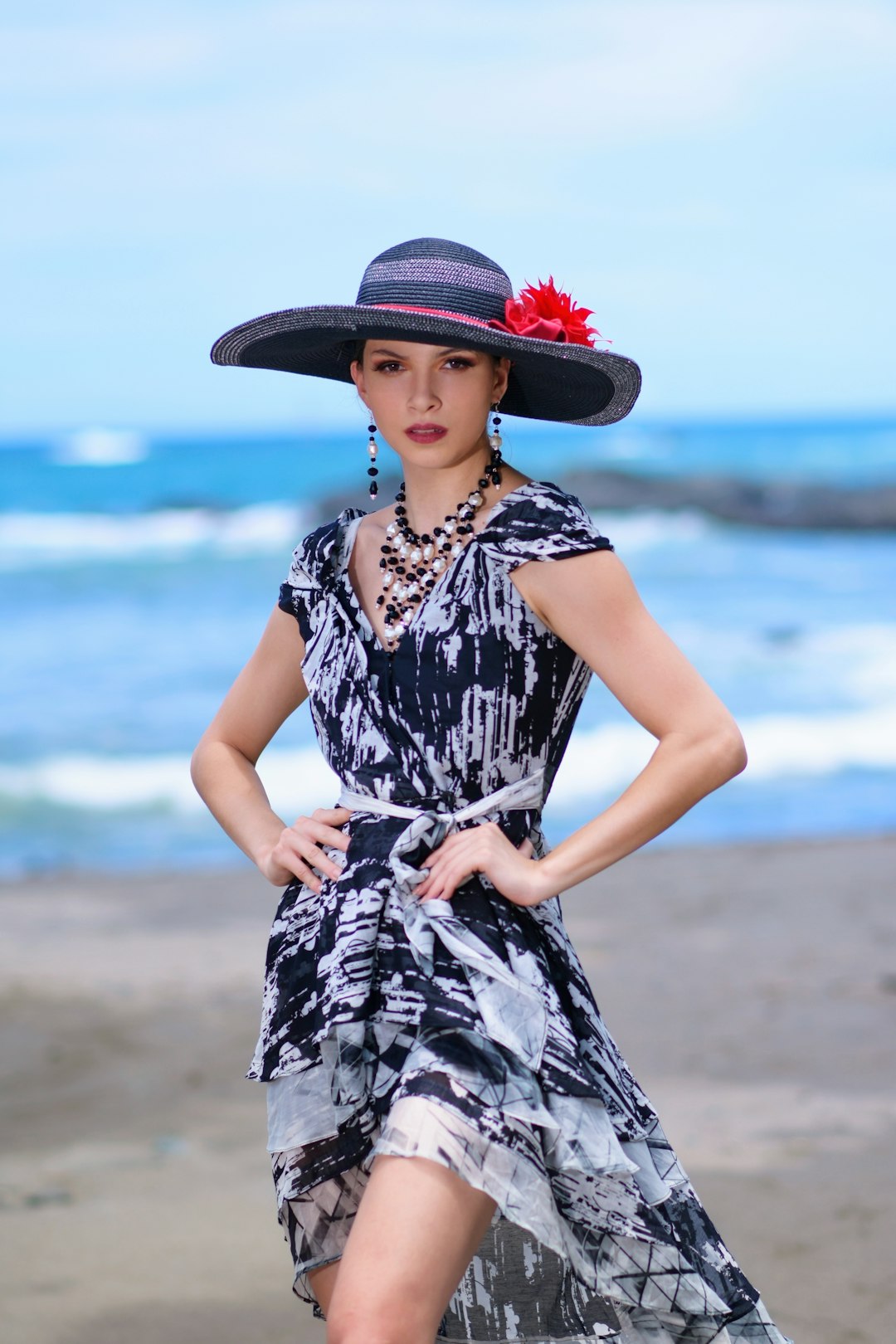
Tropical prints remain enduringly popular, but 2025 versions feature more artistic, watercolor-inspired interpretations. Rather than traditional bold florals, contemporary tropical patterns incorporate softer edges and unexpected color combinations. Japanese designers excel at creating tropical prints that feel sophisticated rather than kitschy, with careful attention to scale and color balance.
Animal prints have undergone a modern transformation. Leopard, zebra, and snake patterns now appear in unconventional color combinations—think pink leopard or blue python. These updated animal prints appeal to fashion-forward Japanese shoppers who want edge with elegance. The key is choosing prints with refined color palettes that elevate rather than overwhelm.
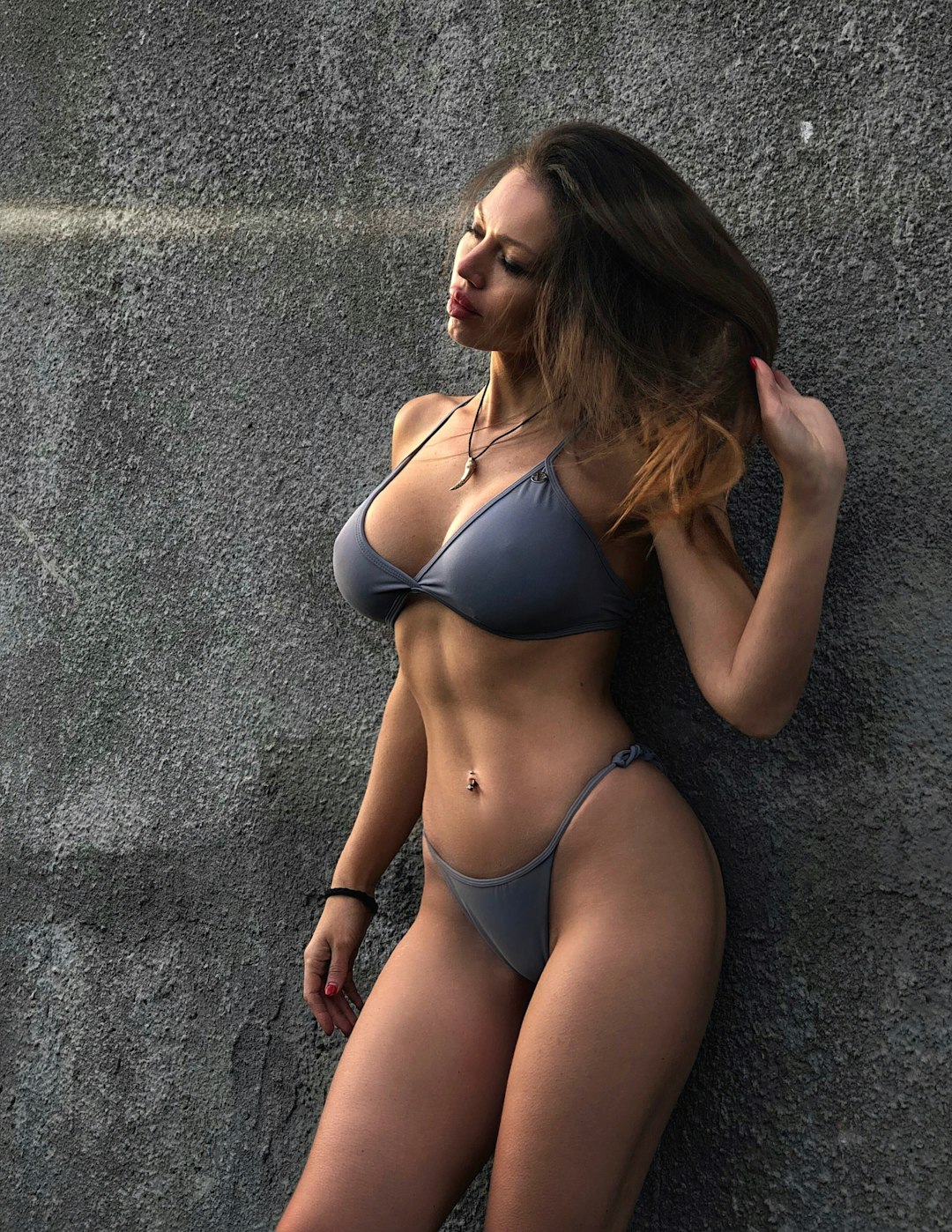
Abstract and geometric patterns offer contemporary alternatives to traditional prints. Bold stripes in unexpected color combinations, color-blocking designs, and artistic abstract patterns provide visual interest without being overly busy. These patterns photograph well and allow for creative mix-and-match styling options.
The Power of Monochrome
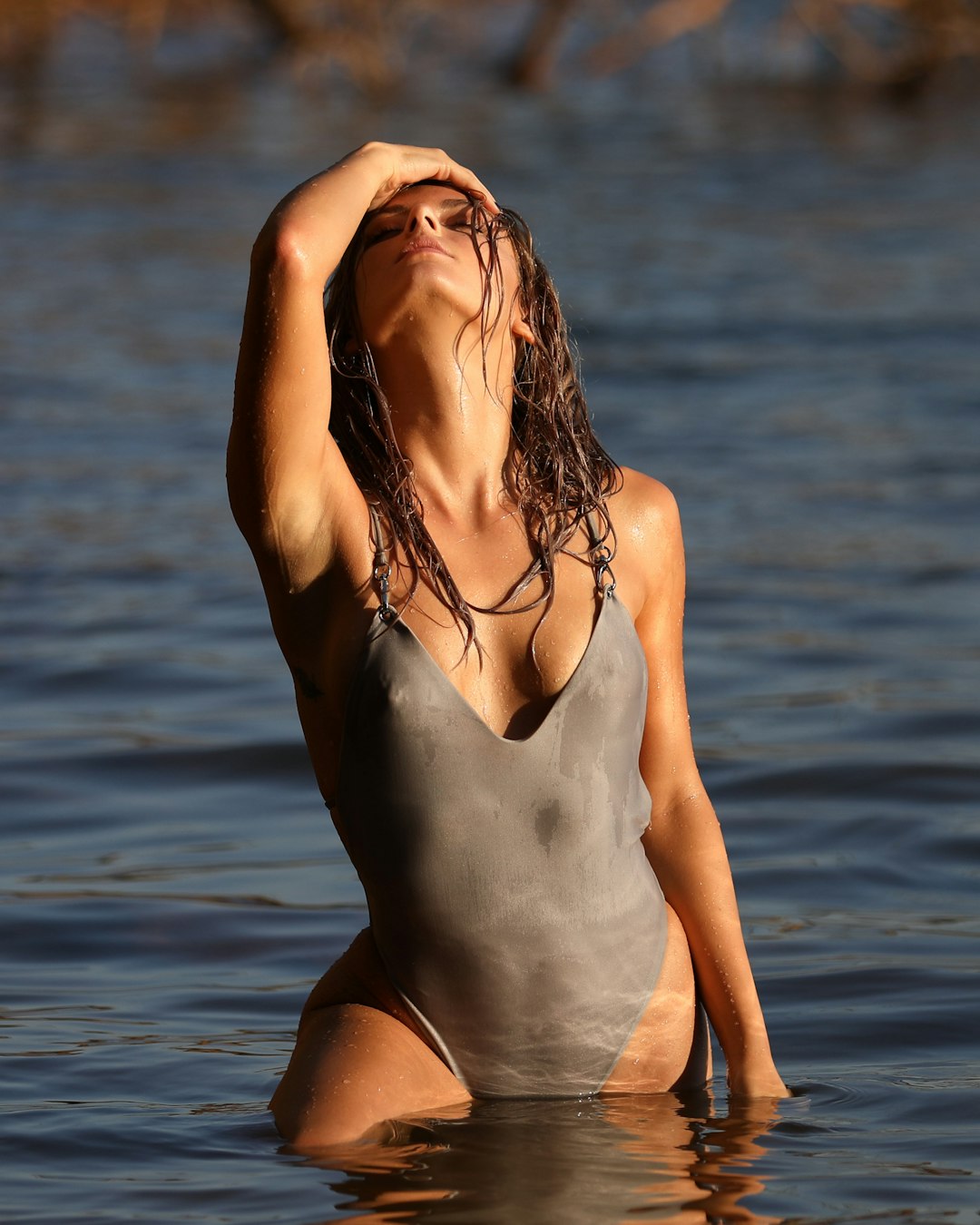
While patterns dominate many collections, solid colors remain essential wardrobe staples. Monochromatic swimwear in bold, saturated colors makes a powerful statement through simplicity. A vibrant red one-piece or electric blue bikini needs no additional embellishment—the color itself becomes the focal point.
Japanese consumers particularly appreciate the versatility of solid-colored swimwear. These pieces easily coordinate with different cover-ups and accessories, allowing for multiple looks from a single suit. Investing in high-quality solid pieces in trending colors ensures your swimwear remains stylish and functional season after season.
Black and white, the ultimate classics, never truly go out of style. However, 2025 sees these neutrals presented in innovative ways—asymmetric color blocking, graphic contrasts, and unexpected cutouts that add modern edge to timeless shades. For Japanese shoppers building a capsule swimwear wardrobe, black and white pieces provide essential foundation items.
Color Combinations and Contrast
Color blocking continues to trend, with designers creating striking combinations that shouldn't work but somehow do. Unexpected pairings like orange and pink, green and blue, or yellow and red create visual excitement. The key to successful color blocking is choosing hues with similar saturation levels, creating harmony despite contrast.
Ombré effects offer a softer approach to multiple colors. Swimwear that gradually transitions from one shade to another creates beautiful visual flow. This technique works particularly well on one-piece suits and provides a flattering, lengthening effect that Japanese consumers appreciate.
Complementary color combinations—colors opposite each other on the color wheel—create vibrant, eye-catching looks. Think purple and yellow, blue and orange, or red and green. While these combinations are bold, they're balanced and pleasing to the eye when executed with sophistication.
Metallic and Shimmer Accents
Metallic swimwear adds glamour to beach and poolside settings. Gold, silver, and rose gold finishes catch light beautifully and photograph stunningly. These shimmering details work particularly well for resort wear and special occasions. Japanese brands often incorporate metallic accents subtly—perhaps in straps or trim—rather than full metallic pieces, creating elegant rather than overly flashy looks.
Iridescent and holographic effects bring futuristic flair to swimwear. These finishes shift color depending on light and angle, creating dynamic visual interest. While bold, these trendy options appeal to younger Japanese consumers seeking Instagram-worthy beachwear that stands out from conventional styles.
Neon and Fluorescent Hues
High-visibility neon colors have surged in popularity, particularly among active swimmers and water sports enthusiasts. Neon pink, electric lime, and bright orange aren't just fashion statements—they improve visibility in water, adding a practical safety element. These intense hues work especially well in sporty, athletic swimwear designs.
For those hesitant to embrace full neon looks, consider neon accents on otherwise neutral pieces. A black bikini with neon trim or neon straps on a white one-piece offers just enough pop without overwhelming. This approach resonates with Japanese consumers who appreciate balanced, thoughtful design.
Pastel Palettes
Soft pastels offer gentle alternatives to bold brights. Lavender, baby blue, mint green, and blush pink create dreamy, feminine looks perfect for romantic beach settings. These colors photograph beautifully and appeal to Japanese consumers who prefer subtle, sophisticated aesthetics over loud statement pieces.
Pastel tie-dye and watercolor effects bring artistic flair to soft color palettes. These techniques create unique, one-of-a-kind looks that feel special and personalized. The softness of pastels makes even bold patterns feel approachable and wearable.
Seasonal Color Transitions
Early summer favors lighter, brighter colors—sunshine yellow, sky blue, and coral. These optimistic hues celebrate the arrival of warm weather and longer days. Japanese consumers often refresh their swimwear wardrobes at the beginning of summer, making these shades perfect for new purchases.
Mid-summer sees deeper, more saturated colors emerge. Rich teals, vibrant fuchsia, and bold turquoise dominate peak season collections. These colors complement tanned skin and create striking contrasts against bright summer skies and deep blue waters.
Late summer and early fall bring earthier tones—burnt orange, olive green, and warm browns. These transitional colors bridge the gap between summer and autumn, appealing to Japanese shoppers planning late-season beach trips or tropical vacations.
Choosing Colors for Your Skin Tone
Understanding which colors complement your skin tone ensures flattering swimwear choices. Fair skin tones typically look stunning in jewel tones, soft pastels, and bright primary colors. Avoid colors too close to your skin tone, which can create a washed-out effect.
Medium skin tones have the most flexibility, looking beautiful in nearly any color. Experiment with both warm and cool tones to discover personal preferences. Earthy colors, ocean blues, and vibrant brights all work wonderfully on medium complexions common among Japanese consumers.
Deeper skin tones are gorgeously complemented by bright, saturated colors—hot pink, electric blue, and sunshine yellow. Metallics and white also create stunning contrasts. Rich jewel tones provide sophisticated alternatives to ultra-bright options.
Cultural Color Preferences in Japan
Japanese color preferences often lean toward refined, harmonious palettes rather than jarring contrasts. Indigo blue, a traditional Japanese color, remains popular in modern swimwear. Contemporary designs incorporate this cultural connection while meeting current fashion trends.
Sakura pink, inspired by cherry blossoms, holds special significance in Japanese culture. Swimwear in various shades of pink—from pale blush to vibrant fuchsia—resonates emotionally with Japanese consumers while remaining thoroughly modern and wearable.
Nature-inspired colors reflecting Japan's beautiful landscapes—forest green, ocean blue, and sunset orange—create connections between fashion and environment. These colors appeal to Japanese sensibilities that value harmony with nature.
Mixing Patterns and Colors
Advanced styling involves confidently mixing different patterns and colors. Start with a unifying color that appears in both pieces—perhaps a floral top with one color pulled from the print used in solid bottoms. This creates cohesion while allowing creative expression.
Scale variation helps mixed patterns work together. Pair small-scale prints with larger ones, or combine geometric patterns with organic florals. This contrast creates visual interest without overwhelming chaos. Japanese fashion sensibilities often favor thoughtful, intentional mixing rather than random combinations.
Caring for Colored Swimwear
Maintaining vibrant colors requires proper care. Rinse swimwear immediately after use to remove chlorine, salt, and sunscreen—all of which can fade colors. Hand wash with color-safe detergent in cool water, avoiding hot water that can cause color bleeding and fading.
Dry colored swimwear away from direct sunlight, which can fade even the most colorfast fabrics. Store dark and light colored pieces separately to prevent color transfer. With proper care, your beautifully colored swimwear will maintain its vibrancy season after season.
Conclusion: The 2025 color and pattern trends in swimwear offer unprecedented variety for Japanese shoppers. Whether you're drawn to bold tropical prints, sophisticated monochromes, or soft pastels, there's a perfect palette waiting to complement your personal style. Embrace color as a form of self-expression and confidence-building—the right shade can transform not just how you look, but how you feel. Don't be afraid to experiment with trends while staying true to colors that make you feel authentically beautiful.